.jpg)
Living in Fulham: A local guide to SW6
Fulham is easy to know at first glance. New King’s Road, Parsons Green, the river, rows of Victorian houses. Spend a little longer here, though, and the distinctions start to matter.
A few streets can change the feel entirely. Parsons Green has its own rhythm; Sands End feels more open and increasingly connected to the riverside; towards Bishop’s Park, things become greener and quieter. Munster Village sits somewhere in between, with its own collection of neighbourhood favourites.
It is this patchwork that makes living in Fulham interesting. SW6 doesn’t feel like one place so much as a collection of smaller neighbourhoods, each offering a slightly different version of West London life.
For anyone thinking about moving to Fulham, these are the pockets worth knowing.
What is it like living in Fulham?
Fulham manages to be well connected without feeling particularly frantic.
The main roads are busy, but turn away from them and much of the area is residential: Victorian terraces, mansion blocks, converted apartments, mature trees and the occasional garden square.
There is a practicality to living here, too. A lot happens within walking distance. Coffee, dinner, the park, school runs, weekend shopping and the Underground are often all relatively close to home.
That local routine is a big part of SW6. You don’t necessarily need a reason to spend the day in Fulham; increasingly, everything you need is already here.
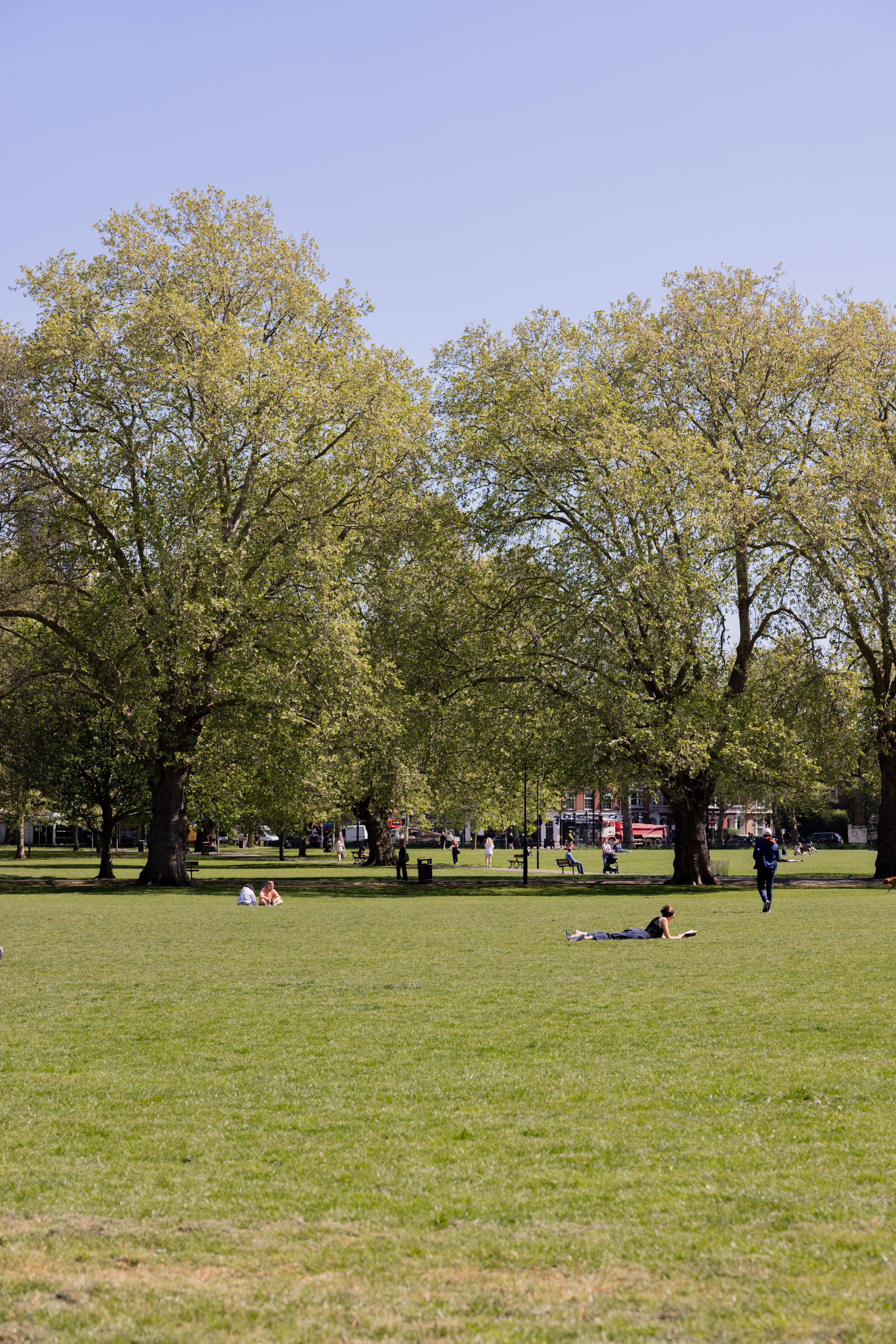
Parsons Green
For many people, Parsons Green is the Fulham they picture first.
The Green itself acts as a natural centre, while New King’s Road brings together restaurants, cafés, shops and familiar neighbourhood names. Behind it, the streets quickly become quieter.
The architecture is part of the attraction. Period conversions and apartments sit alongside larger houses, with the Peterborough Estate and its distinctive Lion Houses nearby.
There is a certain ease to Parsons Green. It feels established, but not static; smart, without being overly polished.
It is also the part of Fulham we know particularly well. Beaufort Green sits on New King’s Road, so these are the streets, houses and businesses we see every day.
Sands End
Closer to the river, Sands End offers a slightly different side of Fulham.
Victorian streets sit alongside contemporary riverside developments, while Imperial Wharf and Chelsea Harbour are close by. There has been a great deal of change here over the years, but the area still retains plenty of character.
For buyers looking for access to the Thames, newer developments or good connections towards Clapham Junction and Battersea, Sands End often enters the conversation.
Bishop’s Park
The western edge of Fulham feels noticeably greener.
Bishop’s Park runs alongside the Thames, with Fulham Palace next door and Putney Bridge close by. The river is more present here, and the surrounding residential streets have a quieter pace than the centre of Fulham.
For anyone who wants London life but places a premium on open space, it is an easy area to understand.
A walk through the park and along the river can make Fulham feel surprisingly removed from central London — despite being only a short journey away.
Munster Village
Around Munster Road, Fulham feels more intimate again.
Independent cafés, restaurants and local shops sit between rows of period houses and converted apartments. It feels slightly removed from the busier parts of SW6 while still being close to Parsons Green, Fulham Road and Barons Court.
It is one of those neighbourhoods that often reveals itself properly once you spend some time walking around it.
Property in Fulham
There is no single Fulham property.
A traditional Victorian house, a mansion-block apartment, a split-level maisonette and a contemporary riverside home can all sit within SW6, sometimes only minutes from one another.
Even seemingly similar houses can be very different.
Width matters. So does orientation, outside space, original detailing, ceiling height and how a property has been extended. On certain roads, one side can perform differently to the other.
These are small distinctions on paper, but they can make a considerable difference to how a home lives and how it is received when it comes to market.
It is why local knowledge in Fulham needs to go beyond a postcode.
Green space, the river and everyday life
Fulham has more breathing room than its location might suggest.
Parsons Green and Eel Brook Common break up the residential streets, while Hurlingham Park, South Park and Bishop’s Park offer larger stretches of open space.
Then there is the Thames.
In the west, it frames Bishop’s Park and Fulham Palace; further east, it shapes the newer developments around Sands End and Imperial Wharf. The two stretches feel quite different, but both have become an important part of life in the area.
Away from the river, Fulham’s everyday character tends to sit along a handful of familiar streets: New King’s Road, Fulham Road, Munster Road and Wandsworth Bridge Road.
They are less about destination shopping and more about the places you end up returning to.
Getting around Fulham
Part of Fulham’s appeal is how easy it is to get into central London, while still feeling removed from the pace of it.
Fulham Broadway, Parsons Green and Putney Bridge sit on the District line, making journeys into central London straightforward, while West Brompton provides further Underground and rail connections. Imperial Wharf also serves the eastern side of the neighbourhood.
Chelsea, Hammersmith, Putney and Battersea are all close by too.
But much of SW6 works particularly well on foot. Parsons Green to Fulham Road, New King’s Road to the river, Bishop’s Park to Putney Bridge — the different pockets sit closer together than they sometimes appear on a map.
That walkability is one of the things you notice once you live here rather than simply visit.
Buying or moving within Fulham
The best way to understand Fulham is at street level.
A postcode search can tell you the basics. It won’t tell you which roads feel quieter at school-run time, where gardens tend to be deeper, which mansion blocks buyers return to, or why two apparently similar homes can attract very different levels of interest.
Those details matter, whether you are buying in Fulham for the first time or moving a few streets from where you already live.
They are also what make the area interesting.
Fulham has changed considerably over the years, and it will continue to do so, but its appeal remains quite simple: good homes, green space, the river and neighbourhoods people genuinely settle into.
Thinking about making a move in Fulham? Start the conversation today.
.jpg)